


Automation with CNC system
Automation is an inevitable trend in modern manufacturing. Alongside the powerful rise of the Fourth Industrial Revolution, automation is widely applied to maximize advantages across various industrial sectors, including CNC machining in particular. However, to fully harness the superior advantages of automation with CNC systems, one needs specific knowledge and careful consideration of related factors. The following article will provide readers with fundamental information on the integration of automation with CNC machining.

What is Automation with CNC system?
Automation with CNC systems involves moving workpieces through the production process from machine tools to secondary equipment such as measuring devices or washing stations. Automation reduces human intervention in the manufacturing process, enhancing the utilization of machine tools. It's an essential way to maximize the potential of your CNC machines.
Automation helps achieve process repeatability in CNC machining operations using CNC technologies such as CAM software. Nowadays, CNC automation technology allows engineers to manufacture parts with less operator intervention through machine simulation and offline programming.
The two most important aspects of CNC automation are: Automated Production Planning and Resource Management and Automation of Motion and Physical Operations
Automated Production Planning and Resource Management
Automated production planning and resource management requires software capable of transforming manufacturing orders (e.g., from ERP systems) into a continuously updated plan of what will happen during the production process and when. By managing production resources such as raw materials, NC programs, and tools, the software can predict and preemptively address any issues. It also guides operators to take timely and appropriate actions. This empowers production managers with complete control and facilitates meeting real-time deadlines more easily and with less stress.
Automation of Motion and Physical Operations
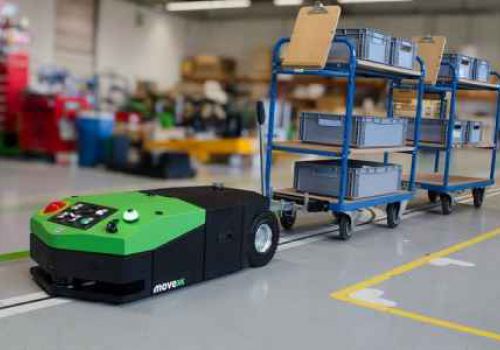
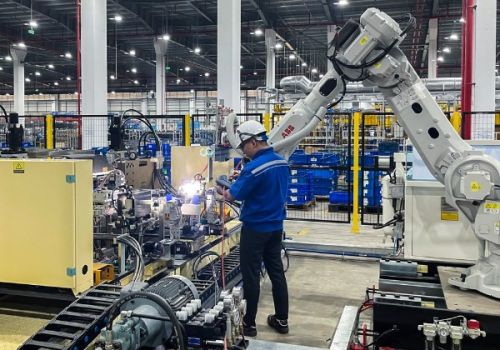
Automating motion and physical operations requires automation hardware such as robots, enabling systems to execute manufacturing (machining) according to plans in real-world scenarios. This involves transferring machining pallets or directly handling workpieces. Additionally, the system can manage the physical movement of cutting tools and integrate supporting processes like grinding, washing, measuring, and marking. This level of automation is well-understood and deeply ingrained in the context of CNC production, but it's only one side of the coin when exploring best practices.
It's important to note that while production planning and resource management can be automated independently of actual operations, the greatest benefits are realized when these are integrated.
For more information on VISC's CNC automation projects, please refer to their applications here.

Fast Production Speeds and Quick Turnaround Times
Automating CNC machines increases and maximizes their operational time because they can handle multiple tasks simultaneously. These machines produce products faster and more efficiently compared to conventional machines. They require less supervision from operators and lower labor costs. CNC-machined parts are sold more quickly, thereby influencing increased demand for them.
Reduced Production Costs
CNC automation solutions ensure cost-effectiveness of labor and machinery throughout the production process. One machine operator can manage and monitor multiple machines, reducing production costs. Besides lowering production costs, CNC automation also minimizes risks and prevents accidents, thereby reducing other legal responsibilities. CNC automation enables higher revenue at reduced prices, contributing to long-term profitability for your business.
Consistent Quality Control
CNC automation helps manufacturers produce products with consistent quality, ensuring that customers receive the high-quality products they seek. Customers support manufacturers investing in CNC automation technology expecting the highest possible product quality. Automated machines operate continuously, producing the same product with equivalent quality day and night. They only require regular maintenance to ensure their longevity.

What enables the automation of CNC machining processes?
Automation is increasingly enhancing production efforts and workflows through the integration of various programs and notable innovations. These include:
Hardware in CNC machining
Despite CNC machines being quite costly, they offer significant benefits. Generally, CNC technology automates the machining of various parts using different types of equipment. There is a rich array of machine types to choose from, including 3, 4, or 5-axis machines.
5-axis machines are customized CNC milling machines that offer superior machining capabilities and flexibility. These CNC machine tools are user-friendly and highly efficient. They require regular programming and maintenance to ensure their long-term viability. However, the software interface must be fully integrated with the CNC machine.
Software in CNC machining


 Phone
Phone
+84-243-7525312
 Mail
Mail
info@machines.com.vn
 Office address
B4 - 12, Vinhomes Gardenia, Ham Nghi Street, Cau Dien Ward, Nam Tu Liem District, Hanoi
PRODUCT
Precision mechanical processing machine
Shearing and press brake machine


INFORMATION
REGISTER TO RECEIVE INFORMATION
Sign up to receive information from VISC